2020 – the Life Lesson we Never Thought we Needed

Hobbies provide a diversion from one’s routine. It exercises your brain and body with other skills. Doing manual tasks often helps your creativity grow, which in turn reinvigorates your approach to your usual duties.

The lockdown forced many to find something to divert their energies. Besides the extreme shopping in which many participated (what happened to all those toilet paper hoarders?), some took to learning how to bake bread, others began gardening, cleaning, and finding creative ways of keeping fit.

All that time in doors meant that celebrities had to find other ways to remain relevant, and a cursory look through the podcast section on Spotify will show you just how many celebs have taken on “broadcasting”. The celebrity broadcast essentially means famous people talking to their famous friends about “that time they worked together”, or “that time they worked with [insert celebrity name here].”

Some managed to do it in a way that is not annoying and self-congratulatory, while others (Rob Lowe) did not.

But then there was the jewel of “Staged”. A BBC production filmed, directed, scripted, and acted remotely. This show is beautifully anchored by David Tennant and Michael Sheen (those who watched will know why that sentence is funny). The actors were left to negotiate their family routines and learn how to use recording technologies, and Zoom, to pull this pioneering show off. And they did!

 Sheen and Tennant take the viewer on a Zoom-esque “Waiting for Godot” journey. They depict the uselessness that actors felt during the early stages of the lockdown, and how their livelihoods were affected. Their characters battle listlessness, depression, and ego so convincingly that it endears them to the audience. This is largely achieved through the humanity of their angst.

But that’s how the celebrities got on. How did the rest of us do it? Some worked, others worked from home, and many lost their jobs and so much more. So how did we persevere?

We also attempted bread-making, gardening, cleaning, and inventive ways of keeping fit; all physical activities that allowed our brains to relax while doing menial tasks.

I worked through the hard lockdown, and finally decided to take a break in September. Some things returned to relative normal, but I also needed to shut the world out for a bit.

To effectively achieve this goal, I needed to plan – so how would I do it? And what would I do during that mini break?

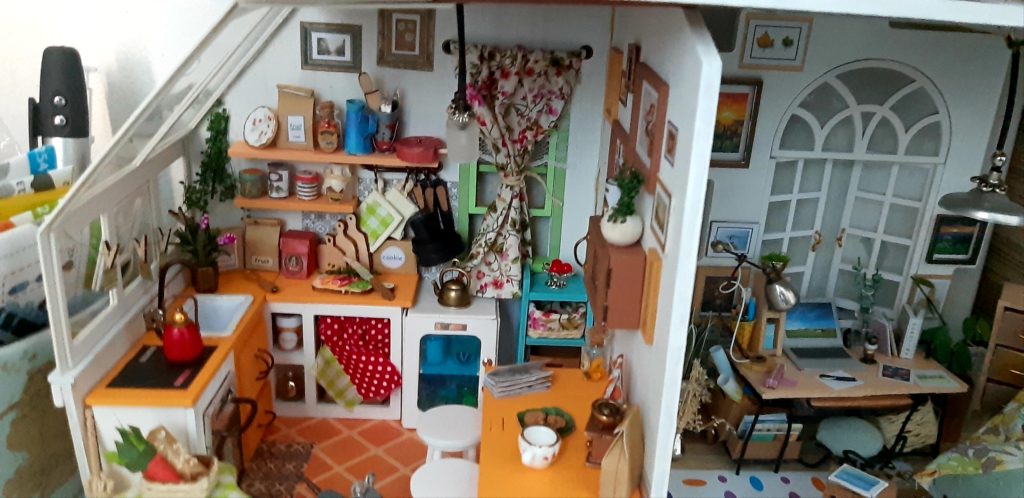
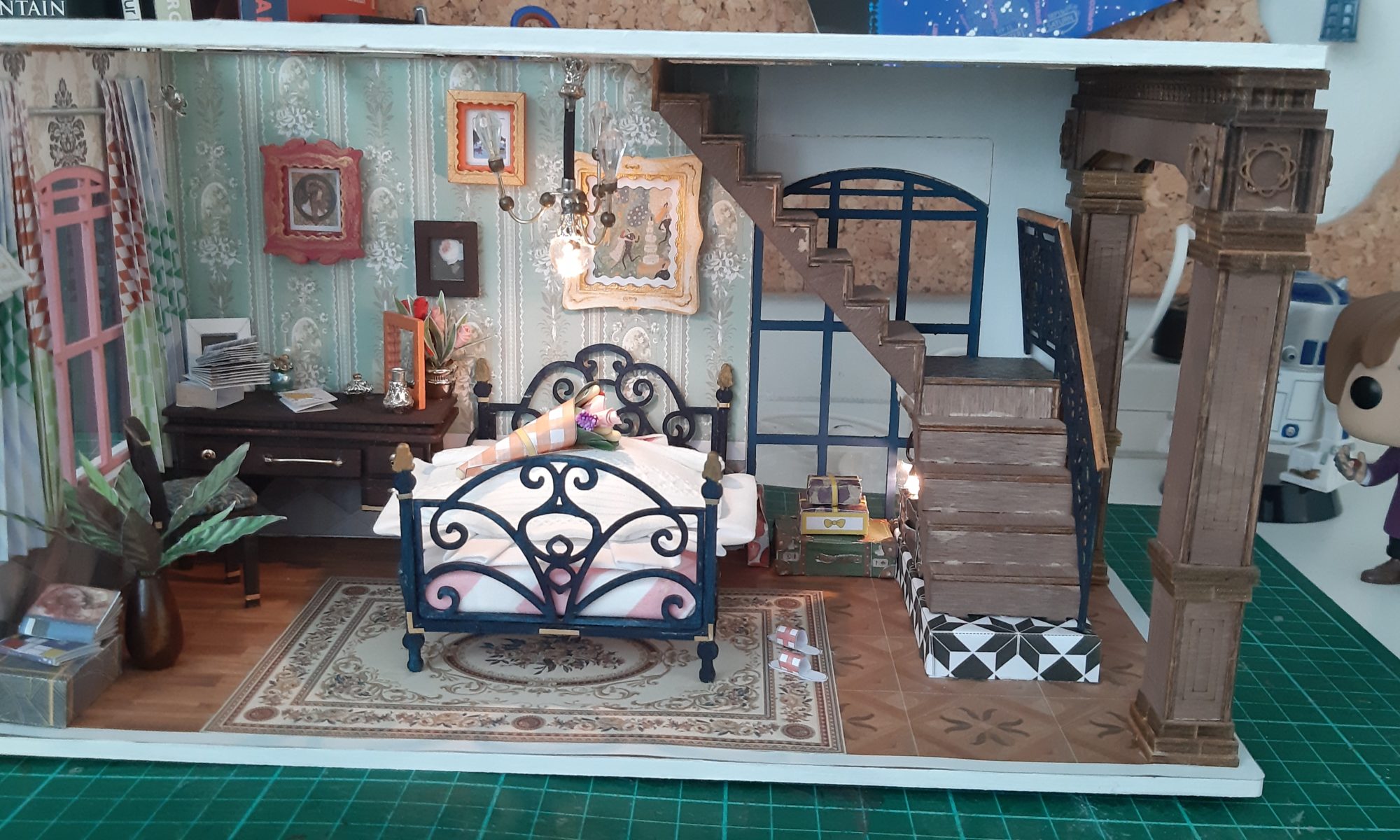
My friend had taken an interest in building miniatures – she’d already completed a miniature bedroom. But she was having trouble with scaling. Her research led her to Robotime kits. These provide you with most of the tools to build a miniature themed room. Some advanced; others suitable for beginners.

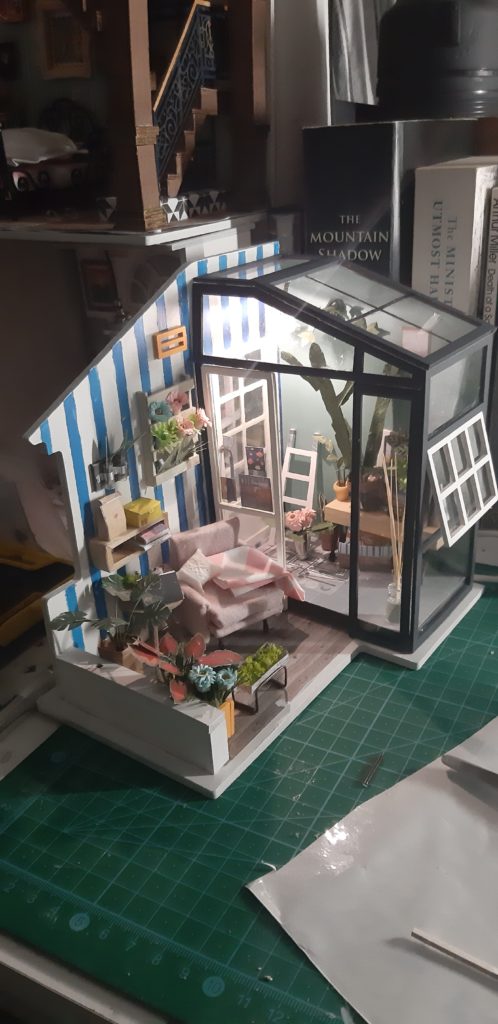
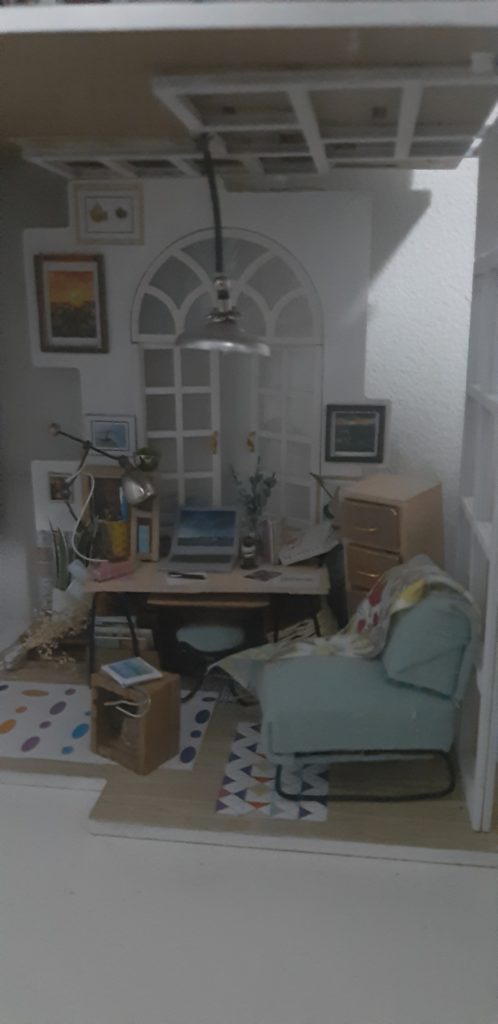
We decided to order Soho Time online. And so a new addiction and hobby was born for me. I finished mine in four days.  

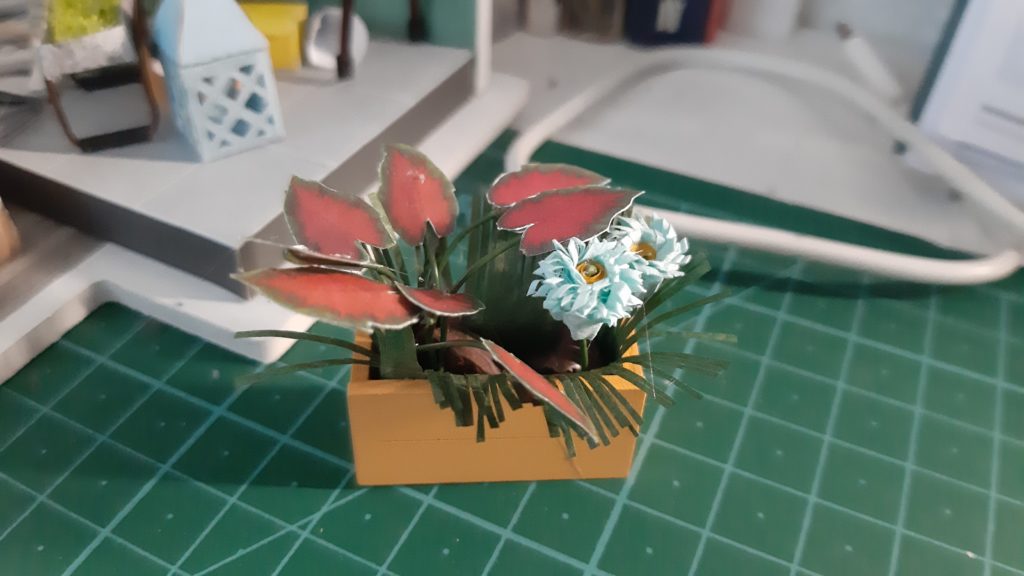
I now know what a self-healing mat is. My wire work is improving through each completed kit (so far four). One still left to do, and one to build from scratch.
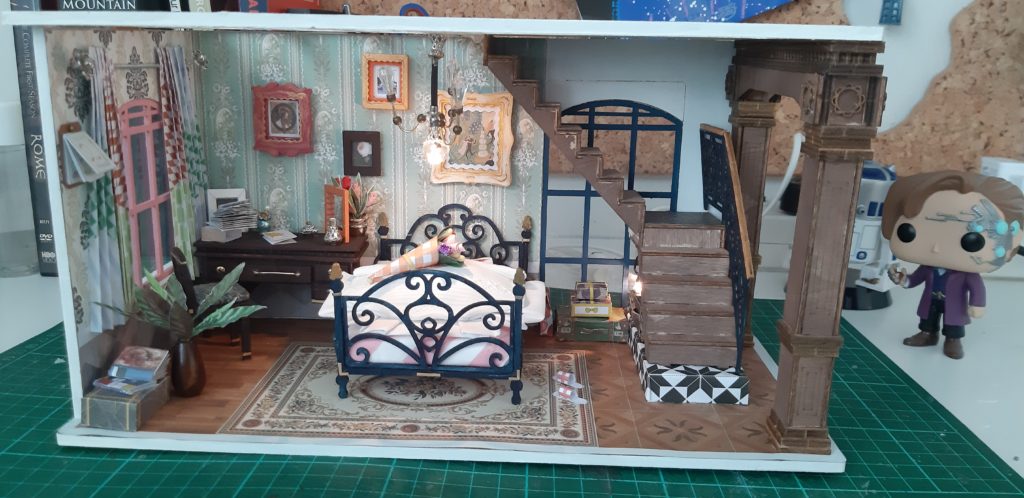
The skill and concentration needed to build these kits has helped me relax, while listening to podcasts. Naturally, I gravitated to the congratulatory content of the celebrity podcast, but that soon led me on to radio drama, audiobooks, Louis Theroux’s podcast, and finally, a history podcast that doesn’t make me question my existence.

While I may be running out of room space for my little crafts, the therapy of creating something, and seeing it through from cardboard to an actual jug, should not be scoffed at.

Time really is relative when you consider what can be created in 30min. I suppose the Doctor was right, “Time is a structure relative to ourselves… Time And Relative Dimensions In Space – it means Life!”

This past year, and the things and skills we’ve learned mean that we cannot cancel 2020 – we’ve probably lived the most in those 10 million months.
The Crust of the Matter

I eat the crust first. If it’s a pie, or pizza, I eat the part with the least amount of flavour first.

It’s the same with cakes and tarts.

My preference is based (pun intended) on these being the driest and least flavoured parts of these dishes.  Especially if it’s shop bought.

There’s no way of knowing if the base will be too doughy, or too thick, so getting that part out of the way helps.

Some may argue to just not eat base at all. But that would be wasteful, and I was raised to finish my food.

The guilt left from not consuming the entire dish may have been engrained by my parents who always ensured that we had wholesome home-cooked meals. And as I reflect on my childhood, the groceries bought to make up these meals were as a result of particular consideration and budgeting.

We didn’t waste in our home.

The meat in our food ensured that we had balanced meals with protein, but I wonder why I still keep the meat for last.

It’s an odd habit. Meat in any dish I eat is always the prize. And I finish the other components first so that the taste of meat lingers a bit longer.

But back to the crust.

Anyone who’s watched the Great British Bake Off knows that the crust at it’s basic level must have a buttery flavour, and be moist enough to complement the filling.

And when you run your fork from the top of the cake down to that crust, you ensure that you get the perfect bite of all the flavours of the dish.

But I know all the good stuff is in the centre. Even with a pizza; it’s the part densely populated with all the gooey or veggie goodness that gets me every time.

That’s where all the flavour is.

It may be a weird logic, but there it is. I also open a chips packet from the bottom.

The reasoning?

I don’t want my last bite of the packet to be crumbs.

I’ve may have elicited a shocked intake of breath from friends, but my logic stands. The last Dorito is more often than not decently sized, covered in flavouring, and most importantly, not sawdust.

The Age of the Overstated Social Media Post

Credit: Social Media Week

Ah, social media. It has evolved faster than we can regulate it.

We are unprepared for the diverging ways it affects the psyche.

It has birthed the influencer, internet scientist, troll, and the memer, to name but a few.

But it also serves as a platform from which people who would not ordinarily be expected to release a statement, now find themselves typing out paragraphed declarations to show thought, insight and sometimes, wit.

But with the furore over WhatsApp’s privacy policy, people have posted their statements on why they have decided to leave, or stay on the platform.

The paragraphs are there, the reasoning spelled out, and the conclusion of “please forward further queries to” dealt out with such speed, that one would have thought they were trying to beat a deadline.

And then wait for people to weigh in via the comments section. Nothing provides more clarity and clear exchange of ideas like a debate on social media.

What happened to just doing a thing? Why announce it to the world?

On the WhatsApp drama, I had inadvertently agreed to the T’s and C’s while half asleep, but also recognised that I would remain on Facebook for work (and some pleasure – it does have its perks), and that I would do whatever necessary to secure my online privacy.

My job requires me to make use of various avenues of communication, and deleting WhatsApp would work against that need.

I therefore have Telegram, Signal (most secure), and WhatsApp.

I prefer the latter.

But I did not release a statement via WhatsApp or Facebook. I did not feel the need to explain my decision.

So imagine my annoyance, when I received a social media “press statement” from someone I know quite well, who shared that after much thought and research, would remain on WhatsApp.

Rolling eyes emoji.

I think I would have clued that from their presence on the platform.

Perhaps this person is on a different social media journey that has evolved from the inane “pizza for breakfast, yum” post, to the paragraphed press release detailing the intricacies of why the pizza was not eaten the night before, and the pleasure of eating cold pizza.

Perhaps my social media variant has evolved differently.

Facebook Memories reminds me daily of how annoying I was in my early days of using the platform.

Why, oh why in 2008, did I feel the need to declare to the world that I was at work? Or that I was at work, but feeling ill? Or that I was ill, but at least I wasn’t at work. (This actually came up on my Facebook Memories recently).

Has social media evolved into a platform for ordinary people to post their personal press releases?

Even when the release is just a well-written rant, or self-aggrandising comment that expounds a thought that others may be thinking?

Chances are that people may have actually come to these conclusions (not virtually, but in person) and have done so through an exchange of ideas and expressions that only interpersonal communication can produce.

Is it possible that these conclusions still exist even if they have not been communicated without posting it on social media?

Is a thought less worthy if it is not shared widely?


Perhaps I should post this piece to social media for a definitive answer.

The Fitness Mind(set)

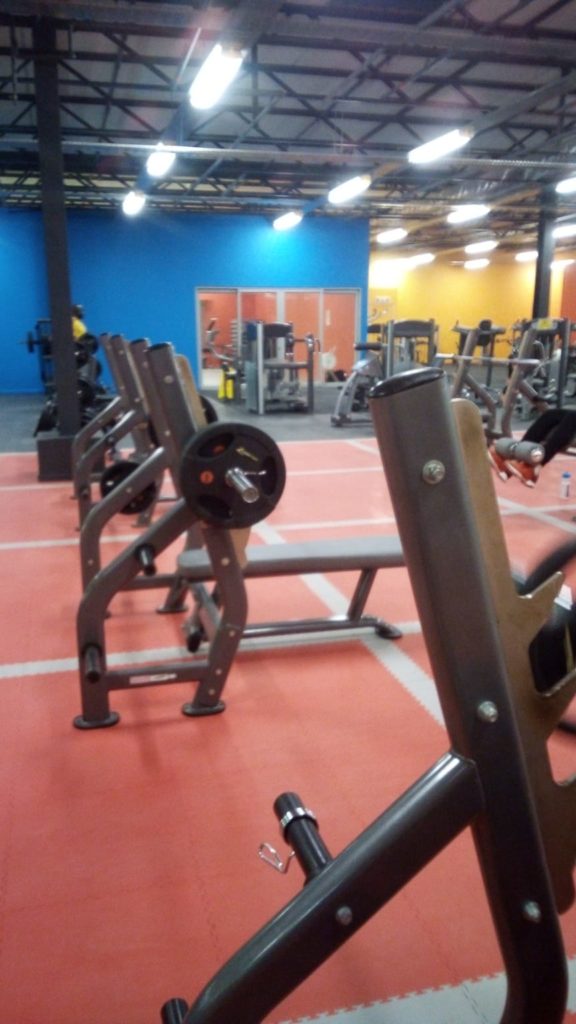
Gyms are once again operating in South Africa. The timing of this announcement would have any conspiracy theorist setting up a new plotting board (creepy red string included). Gym owners and fitness enthusiasts held socially distanced protests saying that they are probably the best equipped to take on covid-19.

Their reasoning?

Well, physical fitness is a key factor to fighting the disease, their machines are well-spaced, and hygiene is tantamount to any fitness establishment.

Flash forward to the regulations being lifted, and South Africa’s finest returned to their place of worship – the gym. But where were the strict hygiene protocols? Who was sanitizing the equipment, and who was ensuring that patrons were wearing their masks?

They’re open

All good questions.

At one establishment, it seems that gym users were left to determine the degree to which they adhered to the lockdown regulations and hygiene protocols.  

But this hasn’t bothered them. Their favourite place to sculpt their bodies is once again open and functioning.

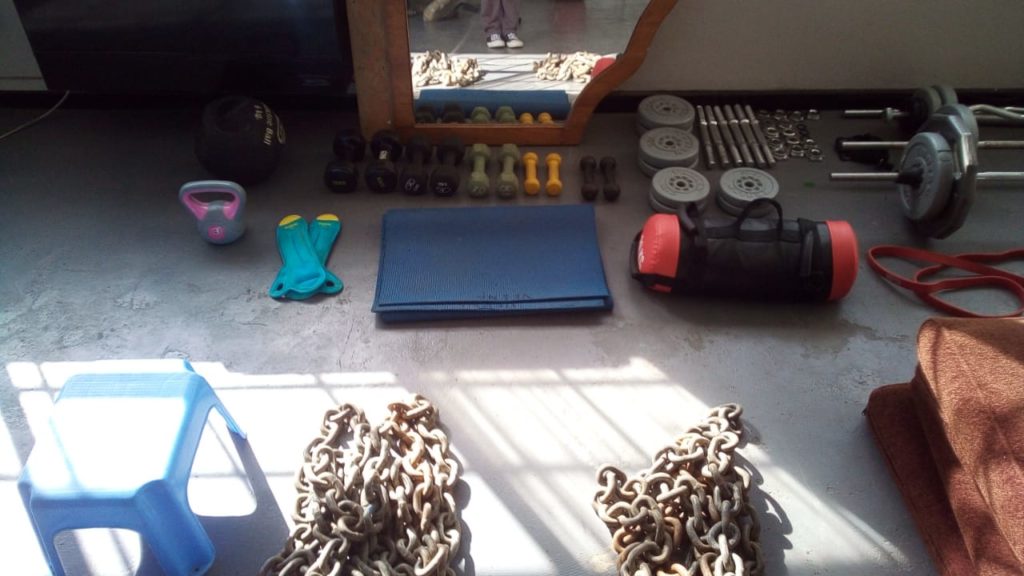
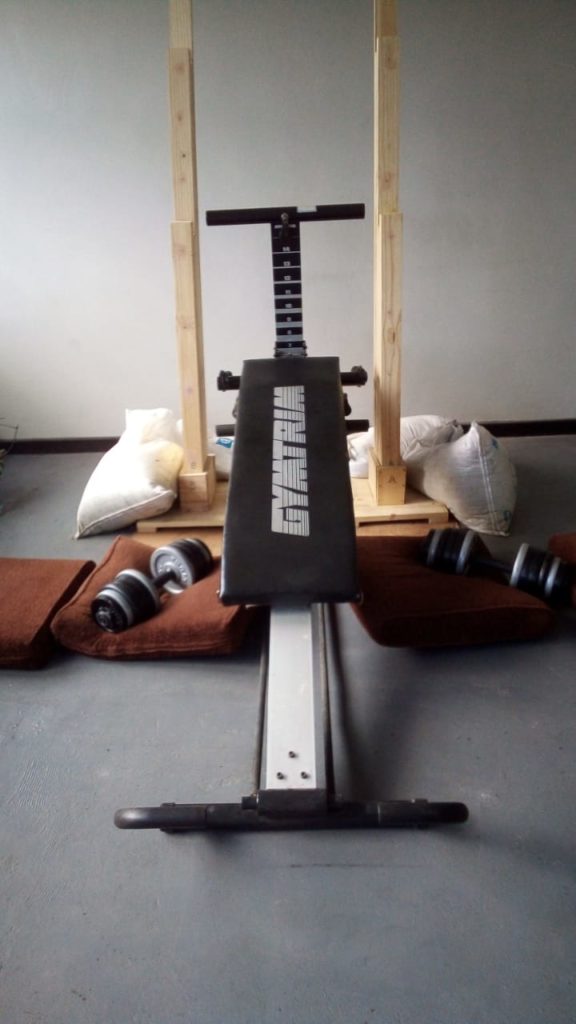
And this dedication to the art of fitness /body-building has grown during the lockdown. Some even pooled their resources, and set up ‘home-gyms’.

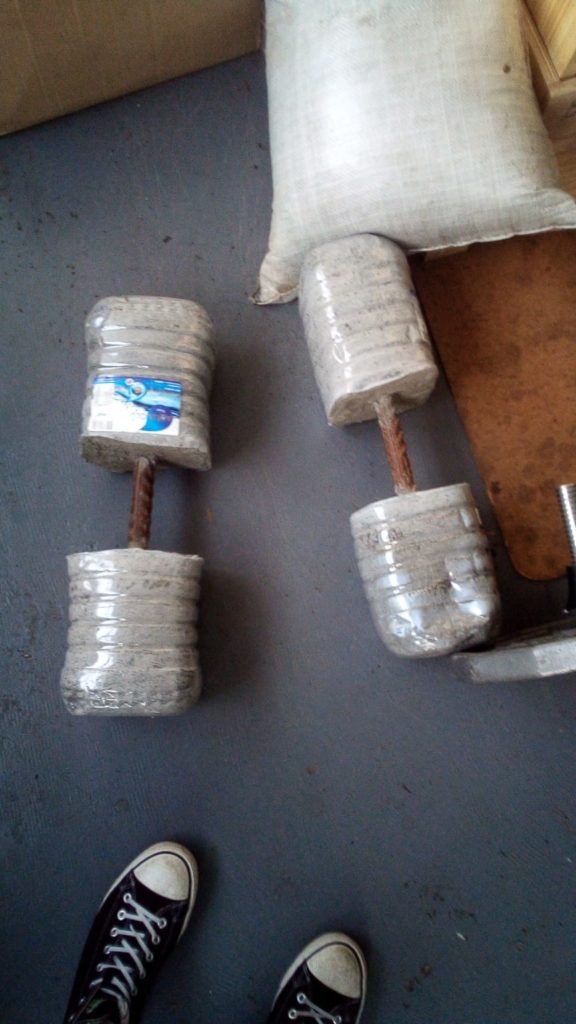
These were quite creative:

I am told that they have their pros and cons. But working out at the gym reigns supreme.

I spoke to a *Sly who derives joy from these tests of strength. And for him, this relationship with the gym began at the age of 13. This journey began while going to gym with his mother; he wasn’t allowed to use the weights, but used to marvel at the “bigger guys”, and try to copy them. This later evolved to a more serious dedication three years later.

There are different types of people in the weights section of the gym; and one, which I found to be the stereotype of buff guys, is to “bro” it out. This means only training arms and increasing the weights, which disregards style and technique.

Sly later realized that “Bro-ing” at gym was not ideal, and his time was better spent applying technique to get the maximum results. His training as a physiotherapist helps.

Technique plays an important role, but diet and lifestyle have their influences as well. What’s the point in bulking up if you can’t see the definition? This therefore requires two phases; the bulk and the cut. Bulking means eating more high protein and carbohydrate meals, and being at gym will require pushing heavy weights. For the cut, the diet sees a calorie drop, where Sly burns more than he consumes. So he’ll eat less and increase his cardio at the gym. The weights will be slightly lighter, but the repetitions (reps) will increase.

But who wants to lift heavy things all the time? And what is the point? Sly says it’s about disciplining your body and sculpting it to its most ideal form.  Another motivator is not becoming overweight, and being unable to breathe or move freely. Body-image is important, and the compliments make it all worthwhile.

While there are many products and workout regimes, it’s important to decide what works best for you and your needs. Therefore consult an expert, and don’t follow those workout plans you find on Pinterest. Sly advises to fully research diets and not restrict yourself to the point that it affects your social life. Your gym buddies should have a similar approach, while also motivating you to do more and better.

Sand-filled water bottles used as weights

Fitness and physical health are lifestyle choices, and cannot be achieved in a few months. Here’s some tips from the pro:

  1. Admit that you need to change, and ask why it’s necessary
  2. Decide on goals, even write these down
  3. Take “before” pics in your underwear (don’t flex, or suck in your tummy. Make it as unflattering as possible). It will help in a months’ time when you’re thinking of quitting
  4. Realize that patience is key, your change won’t happen overnight but with dedication it will
  5. Change your relationship with food. Don’t “diet” but adapt your eating preferences. This doesn’t have to be scary. If you normally have three outings to the drive through a week, cut it down to one. You’ll definitely see a difference.
  6. Sly says to do a holistic program, which will include compound movements and full body exercises. Basically avoid only doing isolation exercises. Fit cardio into your program.

*name has been changed

The Masked Crusader – one woman’s journey to find the perfect face mask

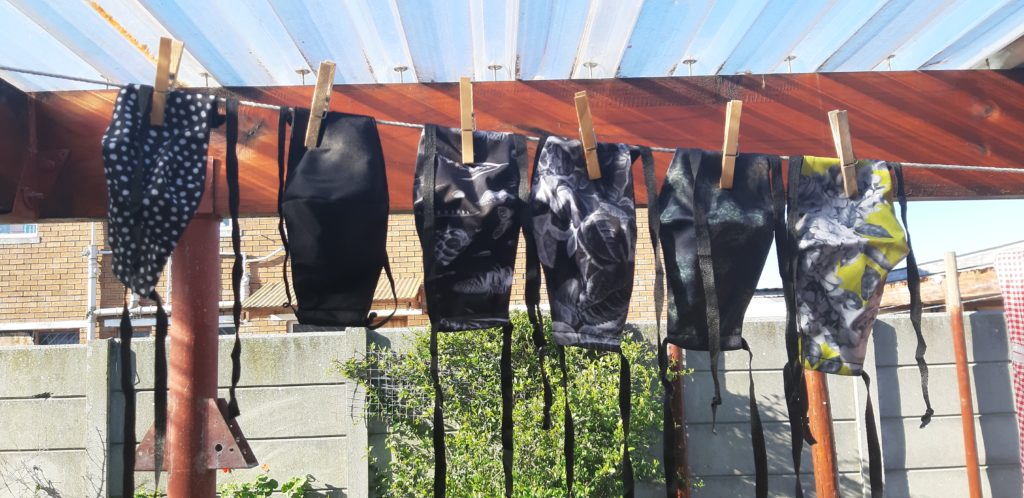
Protection drying on a washing line (www.gadija.co.za)

I have 14 face masks. That’s too much for some. It’s also odd for me as I don’t like wearing one; it feels restrictive, I can’t eat and walk while in a public space, and it leaves indents on my face.  But these inconveniences are nothing compared to the protection these masks provide.

But I get flak for having two weeks’ worth of face protection. It seems excessive, and when wearing a face mask became mandatory in South Africa, I thought I could manage by rotating two throughout the week. The plan was to wash one wear one.

But then I developed mask envy. And the very real problem of spectacle fogging became too much to bear. I had to find alternatives to the two black, elasticated ones I had.

Side note: why do the ear ones cause your specs to fall off your face, and why do your ears resemble Shrek’s when you wear them?

Enter the sponge mask with a vent. Stylish, ear friendly, comfortable, no steamed up specs, and I could breathe deeply without eating the mask. All pluses, but the vent became home to a pool of condensation. And I developed a huge zit on the exact location the vent touched my face. It was not lost on me that wearing a mask would hide said zit, but it also meant aggravating the growing puss volcano on my cheek.

Another problem with the ear masks*,  is that wearing a head scarf with these guys meant having to first mask up and then don the hijab. And putting it on again, while wearing the scarf was annoying, and my specs would once again give in to the Earth’s gravitational pull.

I had to find an alternative to the ear ones.

Enter the stringed cloth face mask. So easy to take off and wear again between the car and public space. It ties over the head scarf – a definite win. But it fit too closely to my mouth. I was not deterred, the lesson was learned.

Now for the elasticated, duck mask. The elastic bands work like the stringed masks, and they provide a nice gap between the face and the cloth. I’d found my favourites. I was done searching.

At this point I should mention that as I progressed through the different types and styles of face masks. The sponge vented one was the most expensive at a cost of R60 each.

I had eight masks, and doing fine until my sister showed me a catalogue of face masks that looked like art on your face. Nothing avant-garde but still beautiful, and they had strings attached (saw the pun, left it in).

I flipped through the catalogue and selected my favourites. My sister placed the order, and a week later, I had my six designer face masks with varying colours and prints. These beauties cost me R80 each, but were well worth it considering that some designers were charging R100 for a plain one.

My new face accessories look good, they fit perfectly, and they tie around my head.

The stringed face masks can be tied at the crown of your head to ensure a snug fit, whereas the elasticated duck masks, while remaining secure on my face, often left a red indent on my nose.

It’s been a strange and uncertain few months, and the search for the perfect mask has offered me a kind of distraction from the stress of the unknown. At least I can control the kind of protection I use. And as that meme says, “treat your masks like you treat your underwear”.

And the similarities are uncanny:

  • make sure it’s clean
  • make sure it fits well but not too tight
  • don’t touch or adjust it, especially in public
  • don’t share it
  • throw it away if it has stains or holes

And like underwear, you should have several face masks for in case you forget (or are too lazy) to wash them.

After all of that I still need to sort out my fogged up specs.

*masks that have elasticated or string loops that fit around your ears

There’s truth; and then there’s the facts

“Wilde Als (wormwood) puts oxygen in your body.” My mother said this with so much authority, that you could swear she had several medical degrees. Turns out she got this information from her friend who did a Google search on the benefits of the Artemisia plant.

Some of my childhood ailments were treated with the “Als” plant. We had one growing in our yard. It had a strange smell, and my mother would brew it when I had a bit of a sniffle. She would also warm whole spices in a pan and put them in a towel and place it on my tummy ache. These home remedies worked, but ask any of those sage proponents why they worked, and you’d be hard pressed to get a conclusive answer.

And that’s the concern now as so many people are sprouting “home remedies” as cures for a virus that has proven a test of medical and political will. Madagascar has bottled the extract of the Artemisia plant as the cure for covid-19, but there’s no conclusive answer on how it helps with various ailments.

This virus is new. There are many theories, even doctors are learning about it daily. The right and wrong ways to treat these symptoms are being formulated as covid-19 takes hold in the world’s population.

The dreaded “Rona”, much like the malaria parasite, directly infects the red blood cells. It targets the haemoglobin, which is responsible for transporting oxygen and carbon dioxide in the blood. If my mother’s friend had Googled a bit further, she would have found that extracts of this “miracle” plant are present in antimalarial medication. These molecules appear to work in diverse ways for protecting haemoglobin against infection, hence their possible successful use against covid-19.

But the World Health Organisation is vilified for clarifying that it will only endorse Madagascar’s “covid cure” once clinical trials prove that it is a successful means to treat the novel coronavirus. Why not get the science of how this potential cure works first, before telling everyone to use it?

Aspirin alleviates headaches, but people on blood-thinning medication cannot use it. That’s because we know that a combination of the two could be detrimental. (The combined use of warfarin plus aspirin substantially increases the risk of major bleeding side effects).

So why are people more willing to take the advice of some lay person, rather than medical practitioners and scientists who literally understand how the virus works?
And when media provide the public access to these scientists, to educate them about the dreaded covid-19, they are dismissed for spewing “mainstream” propaganda.

via GIPHY

George Orwell wrote, “The best books… are those that tell you what you know already.”

I suppose this is reinforced in the 21st century, as we are exposed to social media platforms that draw on our search preferences and feed those back to us. So you’re constantly exposed to something that you “know already”, reinforcing that narrative, but to the point of disregarding new information.

via GIPHY

And the ability to interrogate that new information is also limited, because our brains are not used to that kind of thinking any more. And the possibility of a rational disagreement is also rare.

But in this time of corona, and the availability of varying theories and facts about the virus, truth is subjective. My truth of covid-19 is different to my mother’s friend, who chooses “alternative” sources of information. Is it verified, tried and tested?

Who cares? It’s the truth, and then there are the facts.

via GIPHY

I Bought a Fish

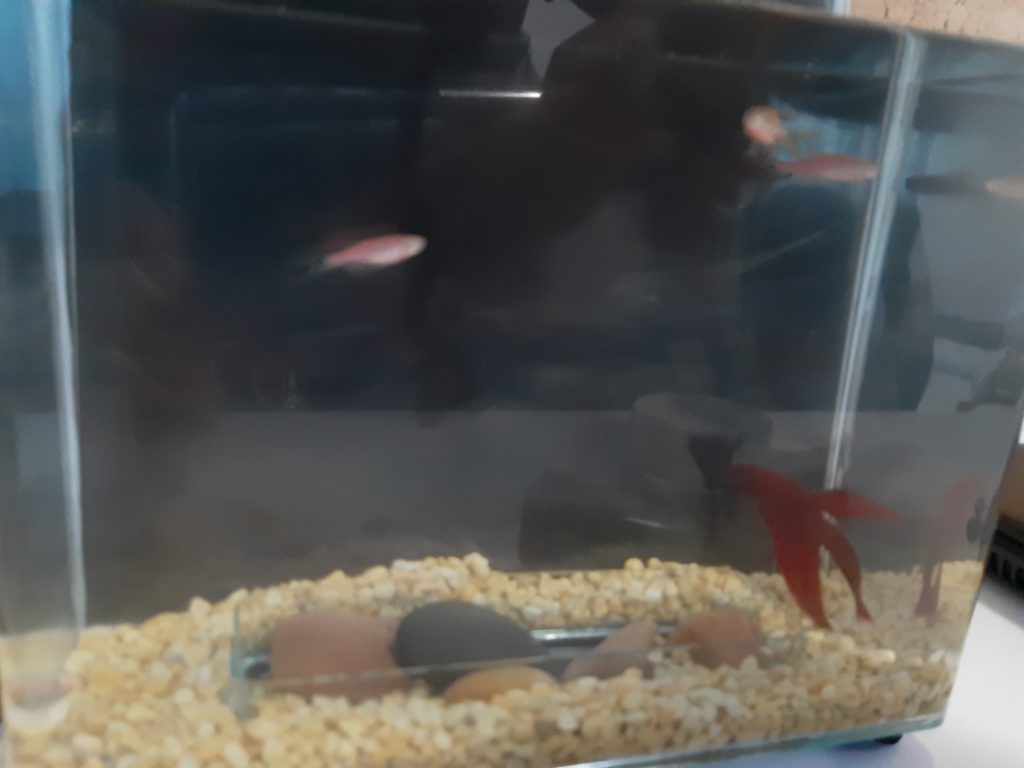
Actually, it’s more like four fish. Three danios and one Siamese fighter. This one was a beauty, all red and full of vigour.

The guy at the fish shop said that a three gallon tank would be fine for these fishies. No need for a heater, or filter. The fish would survive without these accoutrements.

This happened in March of this year. And it happened on a whim.

How do you visit a nursery, and not buy a fish though?

The fish shop had a variety of tanks and boasted lovely little “desktop” vessels, perfect for the beginner fish owner.

Meet the Danios: Benedict, Humphrey, and Larry, and the Siamese Fighter, The General

I was drawn in by the ease and simplicity of having a fish in my room. They don’t mess up your room, they’re low maintenance, and any idiot can feed a fish.

But two days into having these little pets, and the Siamese fighter, which I named the General, was starting to lose his spunk. Not as aggressive, staying at the bottom of the tank, and only coming up for food.

I was worried.

I Googled. And landed on a forum. What a load of pedantic weirdos who failed to offer a noob like myself, any help.

I chalked the General’s behaviour down to finally being at ease in the tank, while the danios darted about their home with lightning abandon.

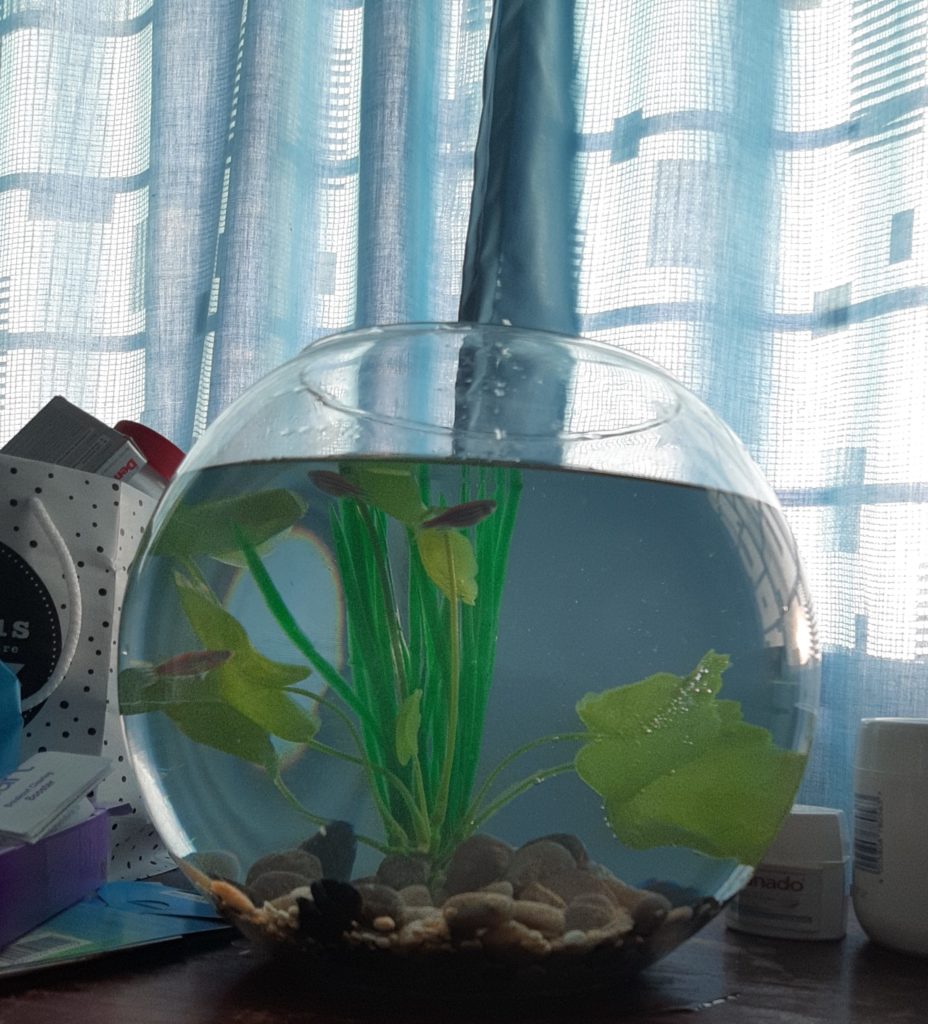
My father suggested I put them in a big vase that we had carrying dust. How nice. It was bigger, and they seemed to love the new environment, but not the General. He became more and more lethargic.

The glass bowl

Some more Googling and I realised that the water may just be too cold for my firey friend. But before I could buy the tank heater, it swam it’s last swim. The General was no more.

The funeral was brief, but dignified.

I thought this would be the last of my fishy troubles. But more awaited.

After washing the vase / fish bowl (and killing all the good media in the process) I marvelled at the beauty of the scene I had created for my remaining fish.

But then I heard a crack. Since I couldn’t see anything wrong, I carried on with whatever else had occupied my mind.

But then, another crack. And I checked again. Now there was some water on the table surrounding the bowl.

I sprang into action. I put some of the water from the bowl, into their first home, and quickly fished them out and placed the danios into the small, desktop tank.

After dealing with the cracked bowl, I gave in, and visited the pet shop near where I work.

There I managed to get a bigger tank, and filter, heater, thermometer, and some rocks for a fraction of the cost of the measly little desktop tank.

I did my research on cycling a tank. And after two weeks, the danios were able to move into their new home.

I haven’t looked back.

It’s amazing what experience and the correct equipment can do for a hobbiest.

Now to find the proper tank decorations…

The Problem with Documenting

The short answer: it takes too bloody long.

The long answer: settle down children, as I tell you a tale of woe.

I’ve just returned from an enriching and eye-opening trip to Morocco and Spain. The cultures, the textures, the tastes and the smells, the people; all diverse, yet somehow familiar.

Travel is important. It helps you understand yourself, your world, and its rather fun.

via GIPHY

But when embarking on an epic journey, one is often tasked with documenting the experience. To dedicate several blog posts to the experience, to post all your amazing pictures with fitting and insightful captions.

I have done neither of these things. Instead, I annoyed people on WhatsApp by posting so many pictures to my status, that the ticker resembled a solid line. There were often duplicates. The posts were so rushed that I failed to caption and explain their significance.

However, I did not heed any of the complaints; I had every intention of posting the pictures to social media, I would dedicate several blog posts to the experience.

Its three months later, and nothing.

Not a picture, not a sentence, not a #ThrowbackThursday, #FlashbackFriday.

It’s just such a pain.

I have to collect and collate all our pictures (there were three of us).

I would have to compile and caption so that they would make sense, and do justice to the journey.

And so, even as I write this long-winded whinge about being privileged enough to travel but being afraid to take on the task of documenting the experience, I don’t have the compulsion to even start.

How do travel bloggers do it?

*Asking on behalf of a lazy aspiring travel-blogger

The Finer Things about Travel

I needed to get my passport stamped this year. There was no question of whether I’d be traveling or not in 2018, but rather when, and where.

People who had their first experience abroad, where giving me advice about travel – ME! Bloody hell, I’ve been to seven countries in less than five years, and they’re giving me advice. Well I just had to reassert myself as the seasoned traveler amongst the plebs.

And thus it was decided that I, along with my sister and cousin, would embark on the great journey to Morocco and Spain. Why these countries? They required my passport being stamped, and the travel agent’s package was within our price range.

The preparations were made, the savings set aside, we were going to do it. No matter that we’d be experiencing these countries in the dead of winter, it had to be done.

I even bought a suitcase. But that involved weeks of consultation over hard-shell or soft shell, four wheels or two, and Cellini or American Traveler. The necessary window shopping ultimately got the choice whittled down to just picking the colour. (I chose blue)

The deposits were made, the vacation time booked at work. But then there was the leg-work needed to ensure that this trip to Islamic Spain and Morocco did indeed happen for the Davids sisters plus cousin.

You see, in the haze of seeking out a destination that suited our pockets, we neglected to investigate the additional costs of a trip abroad; especially a trip to Spain.

The application for the Schengen visa put me off a bit. It felt like these guys didn’t want anyone visiting Spain. The BLS visa application centre is in Blackriver Parkway in Observatory. They’re not open on a weekend. So that required time off from work to make the application in the week. They require:

  • passport pictures
  • a detailed application form filled in
  • three months’ bank statements
  • three months’ pay slips
  • proof of employment
  • your passport
  • a copy of your passport
  • travel insurance
  • your itinerary
  • the application fee ( R 1 240) non-refundable
  • blood samples
  • your paternal grandmother’s toenail clippings

*the last two were a joke, but I would only have been mildly surprised if those were requested. (The details for the first 10 are available on their website)

We soon realized that while there is the fine print, there are also the hidden costs that come with a holiday abroad.

If you’re anything like me, a good travel package includes flights, transfers, accommodation and tours. And if these fall within a decent price range, I’m sold.

But then there’s the cost of visas, visa applications, couriers, travel insurance, the exchange rate, extra flight costs, booking said flights, and shoe tax. The list is endless.

Advice to the lazy traveler, especially if you couldn’t be bothered to actually do the research into the hidden costs: factor in an extra R 4 000 to the package price allocation to avoid any budgetary shocks. And ask questions. Nag if you have to, sound like an idiot, just as long as you don’t make a mistake and jeopardize your journey. The travel agent can only do so much.

If you don’t, the annoyance of having to fork out more money than the package entailed may dampen your traveling experience. So best to go in knowing that you’re covered, and take in the sights, smells and ambience of a different culture and climate. Decide at least a year in advance on where and when you’ll be traveling abroad; that means more time to plan, and more time to correct any mistakes made with your bookings.

If you’re traveling on a budget, maybe put off any European tours, at least until Venus is in its third moon, and the Powers that Be decide on a pocket-friendly Euro exchange rate. What’s the point of going somewhere new, and you can’t afford to eat the food?

Nail to Fame

Comedian and professional awkward person, Simon Amstell does a bit where he speaks about how his mother normalises famous people.

The line goes something like: you see that celebrity? Well shit comes out of them.

Good observation mamma Amstell. Shit comes out of most everyone; except for those unfortunate souls with medical conditions preventing the satisfying process of expelling shit.

So when you encounter people who get starstruck or, obsess about how perfect a celebrity is, you must wonder if they’ve considered that shit comes out of their preferred celeb.

Benedict Cumberbatch fans are strange. Some of them even refer to themselves as Cumberbitches. Some of them can’t contain themselves when he wears tight shirts. But the more odd amongst the Cumbercollective, are the fans who marvel (pun intended) at his hands.

Why though? They’re just hands. Granted, they’re attached to one of the most obsessed about British actors, but they’re just hands.

I wonder about those people who source those pictures of his hands, those who scour the internet for just the right angle of his 10 digits. Do the aesthetics of his hands have any impact on their day? If put to a challenge, would they be able to discern Benedict’s hands from other decoys?

You may even ask why I’m even dedicating this blog post to his hands. The answer: they keep coming up on my damned Facebook news feed.

Gosh. I’d probably be able to tell them apart from other hands if challenged. Though I wouldn’t stake my life on it.

I looked at those neatly trimmed fingernails and it occurred to me that even Benedict Cumberbatch must think ‘I need to trim these bad boys’.

And then there’s the whole process that he may one day realise that his clippers are blunt, and have to run out and get a new pair. There can’t be many things more work-a-day than having to buy nail clippers.

So nevermind the shit, consider the less graphic, humanising nail clipper.

*You may argue that Benedict goes for manicures, and my answer to that very plausible thought is: shhhh